
Whether you are seeking support for yourself, your relationships, your child, or your professional growth, our work is collaborative, compassionate, and tailored to your unique needs. We are committed to creating a safe, respectful space where meaningful change can take place.
 Example of some modalities we may use:
Cognitive Behavioral Therapy (CBT) is a structured, goal-focused talk therapy that helps people identify and change negative thought patterns and behaviors. By understanding how thoughts, feelings, and actions connect, CBT supports healthier emotions and coping, commonly aiding issues like anxiety and depression.
We teach DBT skills to help you manage intense emotions, cope with distress, and improve relationships. Our focus is on four key areas: Mindfulness: Staying present and aware without judgment. Distress Tolerance: Handling crises and painful emotions safely. Emotion Regulation: Understanding and managing strong feelings. Interpersonal Effectiveness: Communicating needs and setting healthy boundaries.
Psychodynamic Therapy explores how past experiences and unconscious thoughts influence current feelings and behaviors. It helps uncover hidden patterns, resolve inner conflicts, and promote deeper self-awareness for lasting emotional growth.
Examples of common areas of support
Trauma Therapies are specialized approaches designed to help individuals process and gain insight from the emotional and psychological effects of traumatic experiences. Trauma can result from a single event (like an accident or assault) or ongoing exposure (such as abuse, neglect, or chronic stress). These therapies aim to reduce symptoms such as anxiety, flashbacks, emotional numbness, and hypervigilance, while helping individuals feel safe, empowered, and more connected to themselves and others.
Common Trauma Therapies:
Each person’s experience with trauma is unique, so effective trauma therapy is always client-centered, paced appropriately, and provided in a safe, supportive environment.
 Couple and Family Therapy (also known as Marriage and Family Therapy) is a form of psychotherapy that focuses on improving communication, resolving conflicts, and strengthening relationships within couples and families. Instead of viewing issues as isolated to one individual, this approach looks at how problems are influenced by and impact the family or couple as a whole.
Key features include:
Common issues addressed include marital conflict, parenting challenges, infidelity, divorce, blended families, and mental health concerns affecting the family unit.
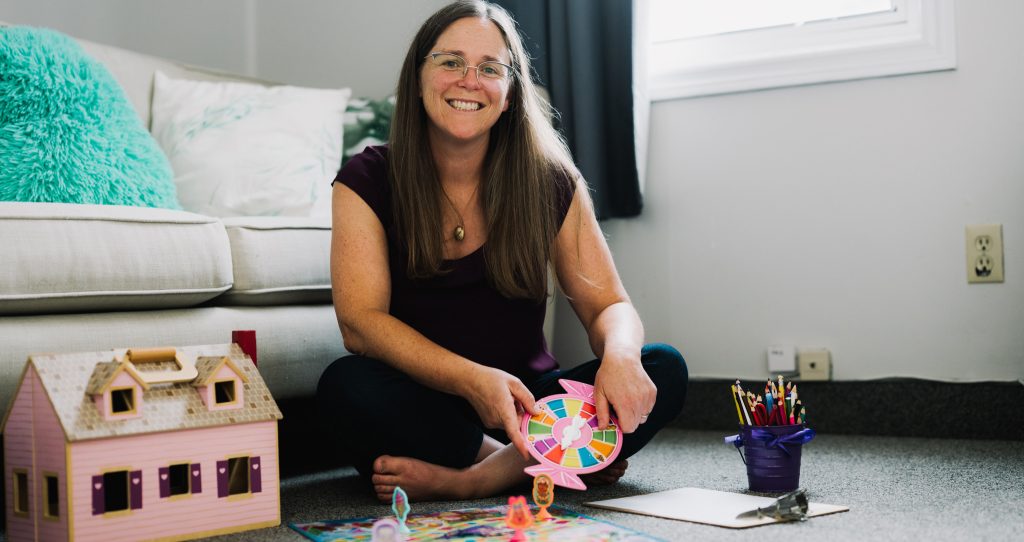 Child and youth therapy is a specialized form of counselling designed to support the emotional, behavioral, and developmental needs of children and adolescents. It provides a safe and nurturing space where young people can express their feelings, work through challenges like anxiety, depression, trauma, or behavioral issues, and develop healthy coping skills.
Therapists often use creative, age-appropriate techniques such as play therapy, art, or storytelling to help children communicate and express themselves. Family involvement is also a key part of this approach, ensuring a supportive environment both in and outside of therapy. The goal is to promote resilience, confidence, and emotional well-being as children and teens grow.
Examples of common areas of support.
Some examples of common modalities include:
These approaches help kids and youth feel safe, heard, and supported as they grow and develop.
Here are some of the specialty areas or clientele we want to highlight
We also provide placement opportunities for master’s-level students seeking clinical experience. Interested students are encouraged to forward their résumé to Jenn Walker at info@counsellingconnection.ca for consideration.